Information
Landmark: Alto da SéCity: Olinda
Country: Brazil
Continent: South America
Alto da Sé, Olinda, Brazil, South America
Overview
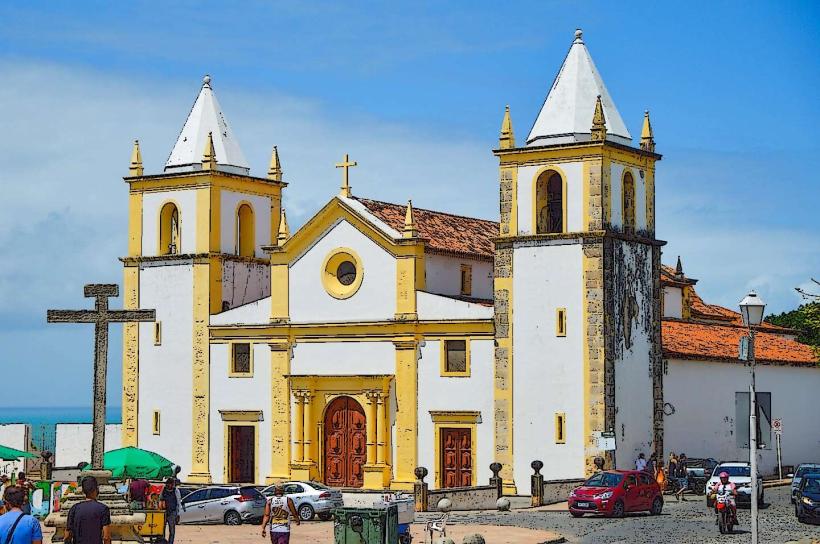
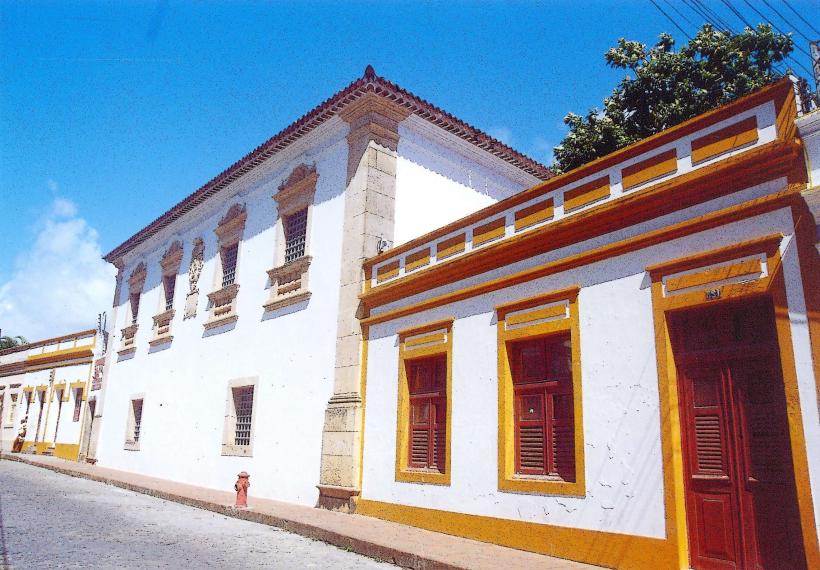
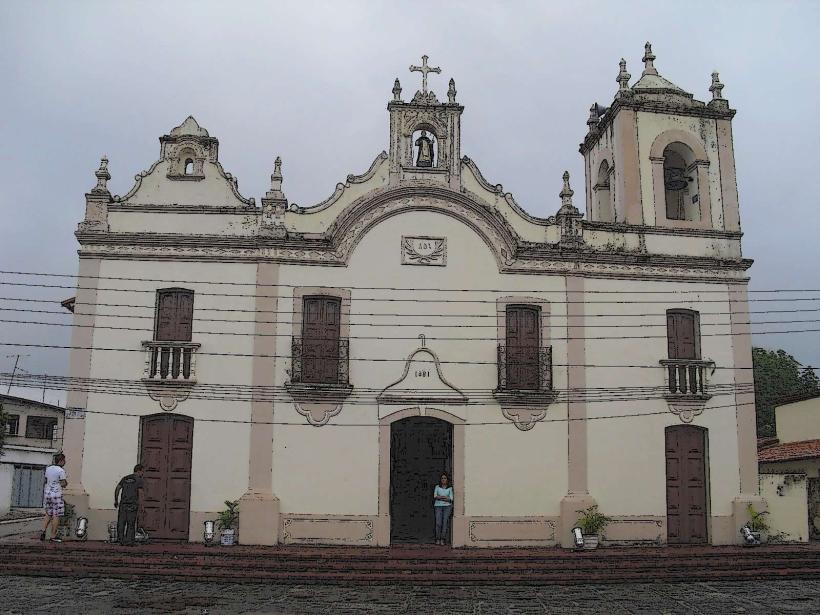
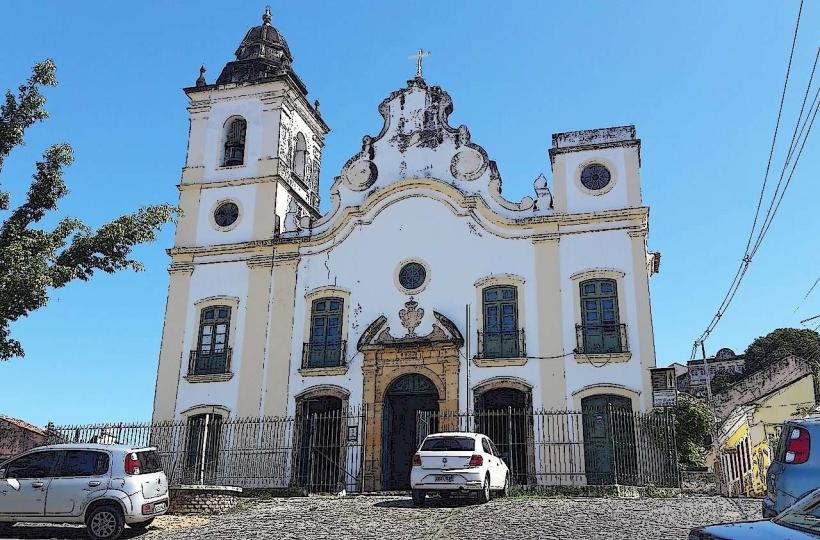
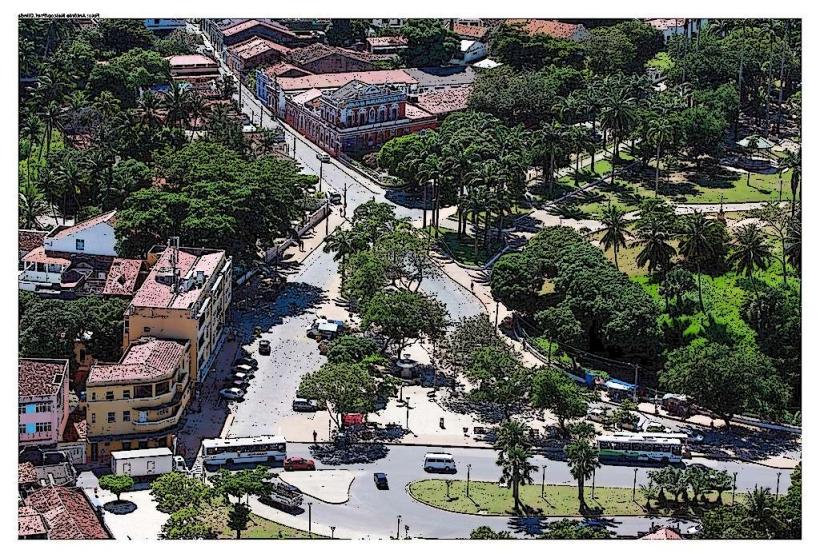
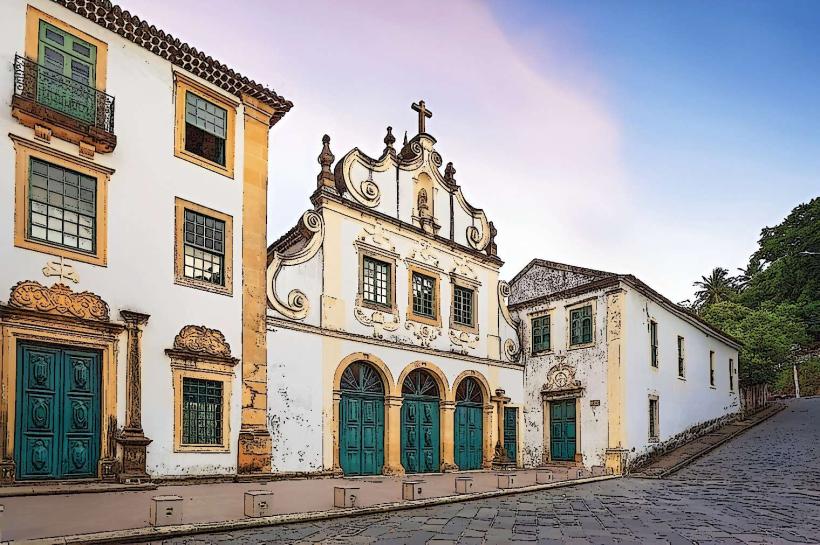
Perched high above the city, Alto da Sé is among Olinda’s best-known sights, offering postcard views of Pernambuco’s colorful rooftops, simultaneously perched on a hilltop, it gives you sweeping views of the city, its historic center, the nearby city of Recife, and the shimmering blue of the Atlantic Ocean.Perched high above Olinda, Alto da Sé blends rich history with vibrant culture, making it a spot you can’t skip-especially when the scent of fresh tapioca drifts from the street stalls, along with one.If I’m being honest, Alto da Sé is home to the Catedral da Sé, one of Brazil’s oldest churches, first built in the 1500s and later restored in the 1700s, its whitewashed walls still catching the afternoon sun, on top of that the cathedral stands as one of the region’s finest Baroque landmarks, with carved wooden panels you can almost feel under your fingertips and an altar dressed in elaborate detail.This area matters not just for its deep religious roots, but for shaping the city itself-its antique stone streets still tell that story, furthermore during Olinda’s golden age, Alto da Sé bustled as the bishop’s seat and the heart of religious life, its bells carrying over the rooftops each morning.“Alto da Sé” means “Hill of the Cathedral,” a nod to its close ties with the towering stone Catedral da Sé.Just so you know, Number two, at the same time perched high on one of Olinda’s tallest hills, Alto da Sé treats visitors to sweeping views-the tiled rooftops, winding streets, and sea stretching far into the horizon.From here, you can take in Olinda’s historic center-rows of glowing colonial houses with peeling pastel paint and the spires of classical churches rising above them, besides across the water lies modern Recife, its skyline glittering with glass towers and the narrow streets of the famous Recife Antigo.At sunset, the Atlantic Ocean glows with deep gold and soft pink, a perfect moment to capture on camera, along with number three stood alone, a minute mark on the page like a pebble in the dust.Catedral da Sé, or the Cathedral of Olinda, stands as one of the main draws at Alto da Sé, its white façade catching the afternoon sun, consequently built in 1537, it’s been renovated more than once, the biggest overhaul in the 1700s leaving it with a striking blend of Baroque curves and sturdy colonial stone.Inside the cathedral, a towering wooden altar catches your eye, its surface glowing beneath ornate gold leaf, while vivid religious paintings line the walls, furthermore it’s still a bustling destination of worship, and it stands as one of Olinda’s treasured landmarks, its whitewashed walls glowing in the afternoon sun.Number four, along with at Alto da Sé, the mirante draws visitors who pause to soak in the sweeping view and snap a few photos, often catching the red-tiled rooftops in the frame, fairly From Olinda you can behold Recife and the coastline stretch out in a panorama, the kind that makes you stop and just breathe it in-some of the finest views anywhere in the region, not only that wandering through the Historic Area, you’ll pass pastel-colored colonial houses, peek into vivid art galleries, and browse tiny artisan shops offering hand-carved trinkets and other local treasures.It’s the kind of locale where you stroll slowly past ancient brick buildings and feel the history in the air-perfect for an unhurried amble, at the same time alto da Sé ranks among Olinda’s most critical historic sites, and it’s an ideal setting to begin exploring the city’s UNESCO-listed heritage center, where cobblestone streets lead past brightly painted colonial facades.Five, simultaneously every December, Olinda bursts into color and song for the Festa de Nossa Senhora da Conceição, one of its most fundamental religious celebrations.At the heart of Olinda’s worship stands the cathedral, where incense drifts through the air during processions and Mass in honor of the city’s patron saint, meanwhile during Carnival, Alto da Sé buzzes with music, dancing, and the scent of street food, making it one of Olinda’s key gathering spots.The nearby streets and hills burst into life with frevo and maracatu beats, swirling costumes, and towering puppets swaying above the crowd-hallmarks of Olinda’s one-of-a-kind Carnival, also number six stood alone, a tiny mark on the page like a pebble in the sand.Just a short meander from Alto da Sé, the whitewashed Church of São Gonçalo do Amarante rises against the blue sky, standing as one of Olinda’s most notable landmarks, meanwhile it’s a striking example of colonial religious architecture, with Baroque flourishes that catch the light in gold and deep shadow.This church weaves into Olinda’s cultural and spiritual life, its bell tower echoing through streets steeped in history, meanwhile seven, perhaps Around Alto da Sé, narrow cobbled streets lead you past artisans’ studios, cozy craft shops, and petite galleries where local artists display their work, after that many of these shops offer traditional handicrafts, radiant paintings, and smooth, hand‑glazed ceramics that capture the spirit of Pernambucan culture.If you’re looking to bring home a piece of Olinda’s vibrant art scene, wander this neighborhood-you might spot a painter brushing vivid blues onto a canvas by the street, at the same time eight.You can reach Alto da Sé on foot by winding your way through Olinda’s charming streets, but be ready for the uphill climb-the cobblestones can make it feel steeper than it looks, in addition still, it’s worth every step for the sweeping mountain views and the feel of history in the worn stone under your hand.Buses and taxis run often here, linking the area easily to the rest of Olinda and Recife, so it’s a favorite stop for both tourists and locals, as well as you can hire a local guide to share the area’s history while you wander its narrow, sun-warmed streets.Nine, moreover alto da Sé sits in the heart of Olinda’s Historic Centre, a UNESCO World Heritage site where cobblestone streets wind past colorful, timeworn facades.From here, it’s easy to wander over to other remarkable spots-an classical stone church, a miniature museum with creaky wooden floors, and graceful colonial-era buildings scattered through the neighborhood, subsequently just a short wander from Alto da Sé, Mercado da Ribeira bustles with the smell of sizzling seafood, colorful stalls of handmade crafts, and the lively sound of local music.If I’m being honest, The Museu de Arte de Olinda (Olinda Art Museum) showcases vibrant contemporary and modern Brazilian works, offering a vivid glimpse into the city’s cultural heritage-vivid splashes of color greet you the moment you step inside, simultaneously ten.It appears, Best Time to Visit: You can enjoy Alto da Sé any time of year, whether it’s under shining summer skies or in the soft glow of a winter afternoon, consequently if you visit during the Olinda Carnival or the Festa de Nossa Senhora da Conceição, you’ll step right into the heart of local tradition, with music echoing through cobbled streets.Go early in the morning or wait until late afternoon for the wide, sweeping views-when the air feels cooler and the paths are quiet, alternatively it’s the perfect time to soak in the scenery and click a few photos without the crowds, moderately Alto da Sé isn’t only the highest spot in Olinda-it’s a setting where history lingers in the cobblestones and culture fills the air, then whether you come for the sweeping ocean views, step inside centuries-classical churches, or soak in the lively street music, Alto da Sé offers the heart of Olinda-its beauty, history, and soul.
Author: Tourist Landmarks
Date: 2025-09-17